

Sustainable Bristle Production Becomes a Core Competitiveness for Global Brush Manufacturers
Sustainable Bristle Production: The New Core Competitiveness for Global Brush Manufacturers
In an era where environmental consciousness shapes consumer choices and regulatory landscapes, sustainable bristle production has emerged as more than a corporate responsibility—it is fast becoming the cornerstone of competitive advantage for global brush manufacturers. As industries worldwide pivot toward greener practices, the brush sector, from cosmetic tools to industrial brushes, is redefining success through eco-friendly innovation in bristle materials and production processes.
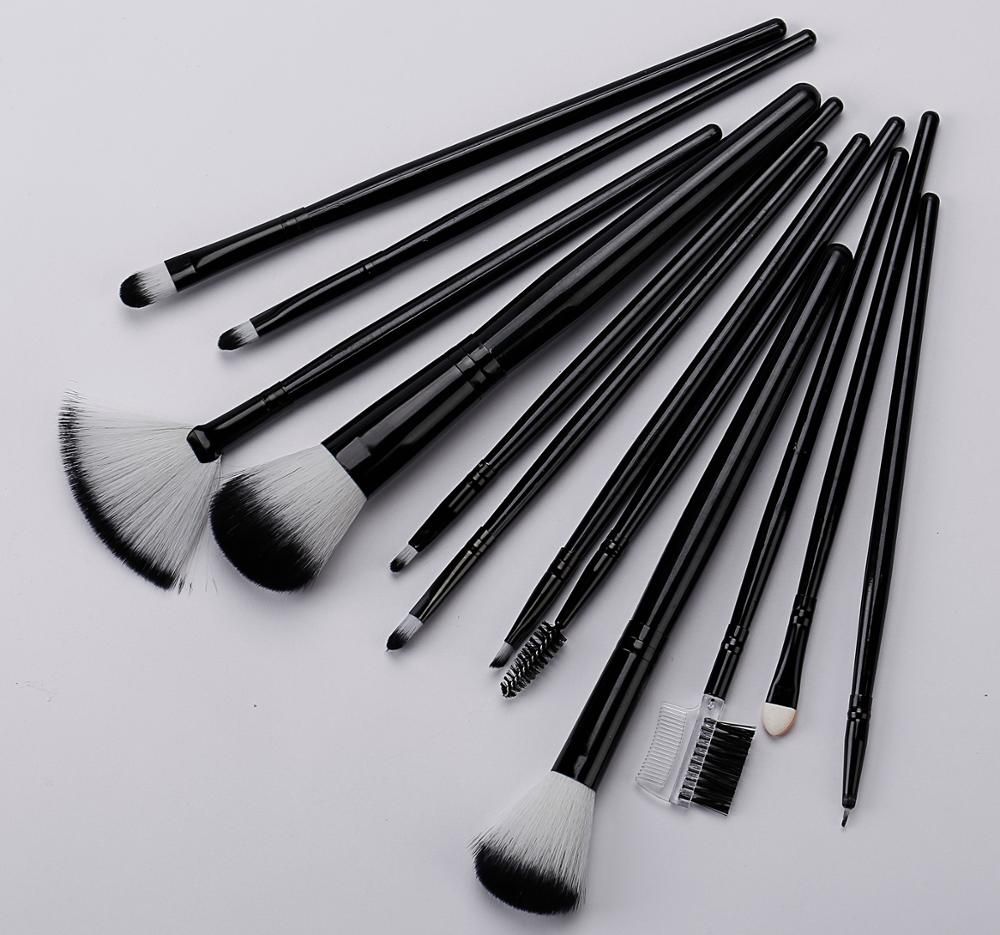
The shift is driven by a confluence of factors. Consumer demand, once focused solely on product performance, now prioritizes sustainability. A 2023 survey by Nielsen revealed that 68% of global consumers are willing to pay a premium for products with transparent, eco-friendly supply chains—including brushes. This trend is particularly pronounced in the cosmetic brush market, where millennial and Gen Z buyers actively seek brands aligned with their values, pushing manufacturers to replace traditional plastic or animal-derived bristles with sustainable alternatives.
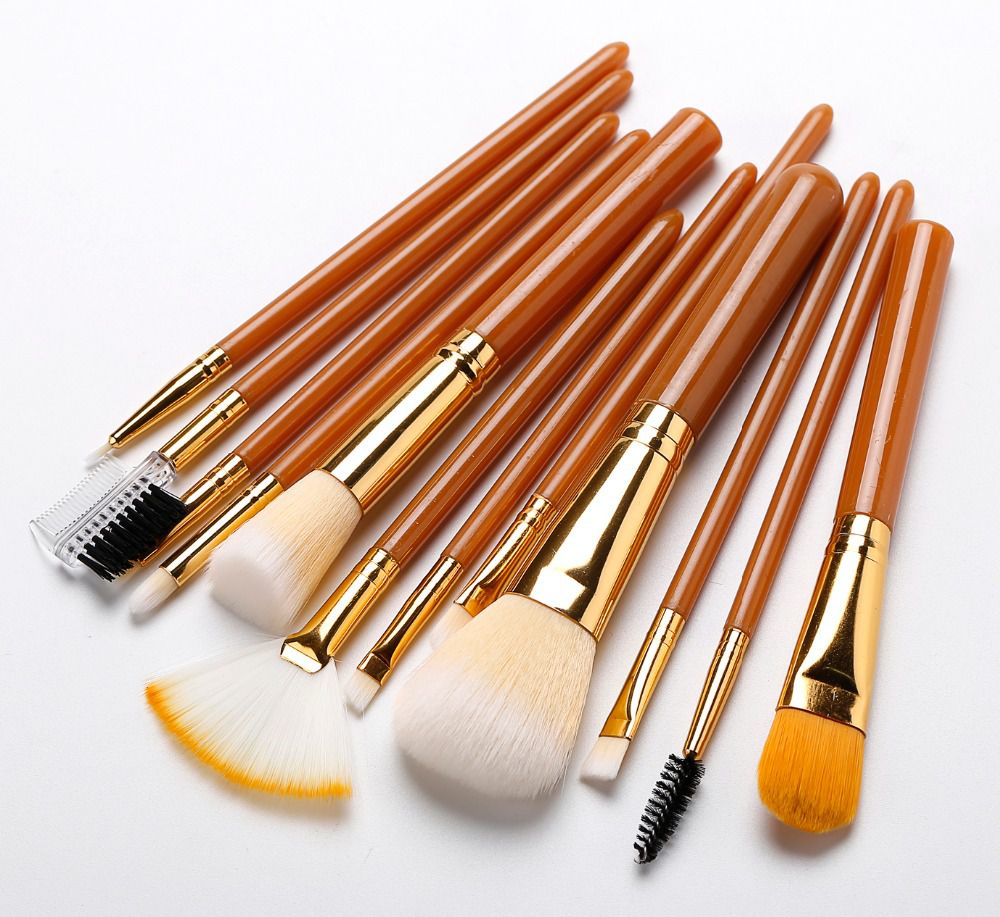
Regulatory pressures further accelerate this transition. The EU’s REACH regulations, for instance, restrict the use of harmful chemicals in bristle production, while carbon neutrality goals in regions like California and the UK force manufacturers to reduce emissions across their supply chains. Non-compliance not only risks fines but also limits market access, making sustainable production a prerequisite for global expansion rather than an optional extra.
At the heart of this transformation lies technological innovation. Forward-thinking manufacturers are investing in bio-based materials: bristle fibers derived from renewable resources like bamboo, corn starch, or recycled PET (rPET) are gaining traction. These materials offer comparable durability to traditional plastics while biodegrading naturally or entering closed-loop recycling systems. For example, a leading brush manufacturer recently launched a line of cosmetic brushes using rPET bristles made from post-consumer plastic bottles, reducing their carbon footprint by 35% compared to virgin plastic production.
Beyond materials, sustainable production processes are optimizing resource use. Waterless dyeing techniques, solar-powered manufacturing facilities, and waste-to-energy systems are cutting operational costs while minimizing environmental impact. A case in point: a Chinese brush manufacturer reported a 20% reduction in production costs after adopting a closed-loop water recycling system, proving that sustainability and profitability can go hand in hand.
Sustainable bristle production also strengthens brand equity. Companies that embed eco-practices into their identity differentiate themselves in crowded markets. Patagonia’s recent partnership with a brush manufacturer to create 100% recycled bristle outdoor brushes not only boosted sales but also enhanced brand loyalty. Investors, too, are taking note: ESG (Environmental, Social, Governance) metrics are increasingly influencing funding decisions, with sustainable manufacturers attracting higher valuations and lower capital costs.
Looking ahead, the competitive edge will hinge on integrating sustainability into every stage of the value chain—from raw material sourcing to end-of-life product management. Manufacturers that invest in R&D to develop next-gen sustainable bristles (e.g., mycelium-based fibers or seaweed-derived filaments) and adopt circular economy models (e.g., take-back programs for used brushes) will lead the industry.
In conclusion, sustainable bristle production is no longer a trend but a strategic imperative. As consumer expectations and regulatory demands intensify, manufacturers that prioritize eco-friendly innovation will not only meet market needs but also secure long-term growth. For global brush manufacturers, sustainability isn’t just about doing good—it’s about staying ahead.


